There’s a beauty to life on the mission field that defies words. It is not found in the obvious, but in the quiet, sacred moments that linger like a melody. It is the kindness of strangers who appear when you least expect it, arms full of gifts from their gardens—a bunch of bananas, a fresh pineapple, a smile that reaches their eyes. It is the shared silence over a pot of kaukau, the quiet prayers spoken in unity under a blanket of stars, and the rustling of the wind through tall grass as if the earth itself is breathing alongside you.
In Papua New Guinea, joy wears a different face. It is a choir in perfect harmony on a church lawn, voices rising and falling in a hymn that carries your soul somewhere beyond yourself. It is the riot of flowers along the roadside – lupines laying out welcome mats at the foot of mountains and frangipani spilling their perfume into the humid air. It is the adventure of traveling to hidden places, untouched by the heavy hand of progress, where lakes gleam like glass and mountains stand as sentinels to a simpler, purer world.
Life there is steeped in depth and creativity, born of necessity. There are no quick fixes, no dashes to the store when the eggs run out. Instead, there is the art of making do or doing without—kneading dough by hand, stitching torn fabric, or crafting beauty from what is at hand. The slow rhythm of this life teaches patience and gratitude in a way that no sermon ever could.
But there is another side to this life, one that comes with its own burdens. In PNG, my white skin attracted a kind of celebrity I never asked for. It brought curious stares, unspoken assumptions, and a weight of expectation that made solitude both a blessing and a curse. There were days I felt like an alien, isolated by my otherness, even as I worked to belong. Yet, even “home”, my otherness continues to separate me.
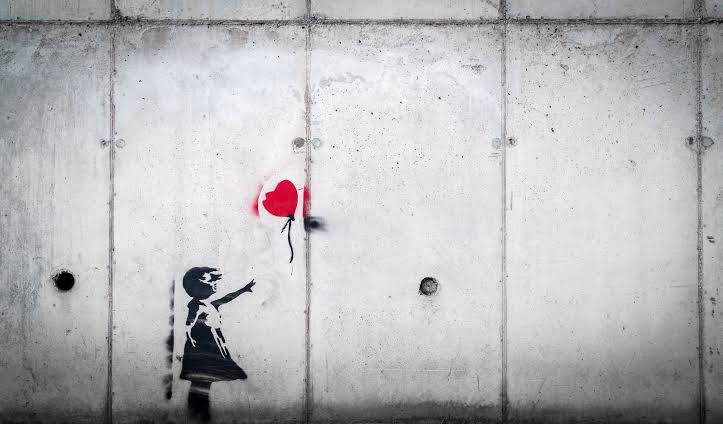
Repatriation is a strange and silent grief. For many returning missionaries, the pain of leaving the field is like losing a part of themselves. Often, it comes without choice—due to health concerns, immigration issues, or even a global pandemic. Other times, it is voluntary, but even then, the grief clings to you. The bustling, convenient modern world feels sterile in comparison. Shopping malls, with their bright lights and endless choices, seem filled with people wandering aimlessly, unaware that another world lives inside of you.
In this new life, fast food replaces slow, intentional meals, and busyness fills every corner of existence. Yet my heart often longs for the simplicity of the mission field, where life was stripped bare and real, where every day carried purpose and where relationships held weight and meaning.
Coming “home” is never just a return; it is an ache, a fracture, a longing for what was left behind. It is stepping into a world of privilege and distraction while carrying the weight of everything you have seen, heard, and felt. I look around at my life now, at the conveniences and comforts, and I feel both grateful and hollow.
The grief of leaving PNG has made me more intentional in my relationships. I treasure the time I spend with family and friends, aware that life in this world is fleeting and fragmented. Yet, there are days I wonder if my heart will ever truly return from PNG. It feels as though I left it there, tucked beneath the hills, washed in the rushing mountain springs, or carried away in the chorus of an early morning lotu.
Life on the mission field changes you. It strips away the trivial and teaches you what it means to live with both hands open—to give, to love, and to trust in a way that feels almost impossible now. And though I wrestle with grief, though the weight of returning feels insurmountable some days, I cling to the hope that this loss has a purpose. That even in the aching, I am being refined.
For those of us who have left the field, it’s important to name the grief and acknowledge its depth. To be kind to ourselves in this season of in-between. To know that our hearts, though fractured, still beat with purpose. And to trust that God, who called us to these places and experiences, is still working all things for good—even when we feel like pieces of ourselves remain scattered across the world.I
may never retrieve the part of my heart that remains in PNG. Perhaps I’m not meant to. Not yet. Perhaps it is a reminder of the sacredness of the life I lived there—a life that taught me the truest meaning of beauty, creativity, and love. And in the end, perhaps that is enough.
 Girl Kaleidoscope