Tag: Papua New Guinea

  • The Frustration of Injustice

    There is a weight that comes with working in a place where justice bends to power, where laws exist but do not always protect, where officials wield decisions like weapons, deciding—on a whim—who stays and who goes. A place where the price of efficiency is not diligence, but money slipped into the right hands.

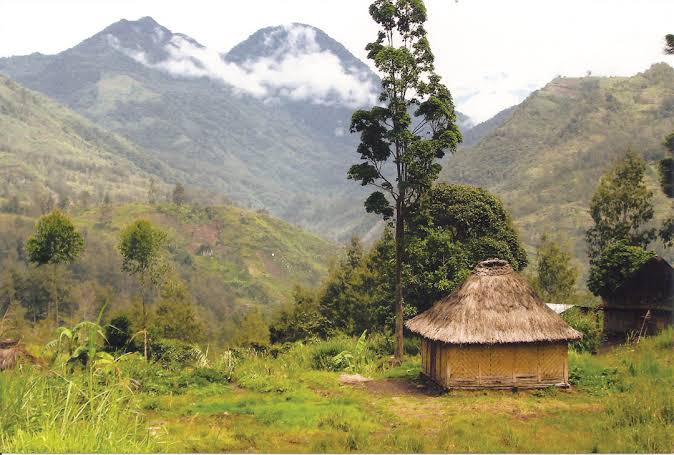
    Papua New Guinea is breathtaking in its beauty, but beneath its sweeping mountains and winding rivers, beneath the warmth of its people, lies a system tangled in red tape, where progress is often at the mercy of corruption. You learn quickly that rules are not fixed but fluid, bending to influence, shifting with unseen negotiations. A visa may be granted, or it may not. A permit may be approved, or it may disappear into the abyss of a cluttered desk, unless you know the right person to call, the right hands to grease.

    The frustration gnaws at you. For the family waiting for medical supplies that are held up at customs until someone is “properly thanked.” For the woman seeking justice for the violence she endured, only to be told that her case will move forward when she can pay the officer’s “fuel allowance.” For the child whose education is determined not by merit, but by the depth of their family’s pockets.

    And yet, somehow, people persist.

    They find the cracks in the system, the rare officials who are honest, the loopholes that make things work. They become fluent in the language of negotiation, learning who to ask, when to push, when to wait. They build relationships, they strategize, they endure. Not because they accept the corruption, but because walking away would mean leaving people behind.

    It is a delicate dance—this battle against injustice. Too much resistance, and the doors close. Too little, and nothing changes. So they walk the line, pushing where they can, swallowing their anger when they must, keeping their eyes fixed on what matters most: the people they came to help.

    There are victories, even in the midst of the struggle. The medical supplies that finally arrive, the child who gets their education, the woman who, against all odds, finds justice. And those moments make the fight worth it.

    Hope in PNG is not naïve. It is not the kind that ignores the weight of corruption or pretends the system will change overnight. It is the hope that comes with knowing that even when justice is slow, even when fairness is bought rather than granted, there are still those who refuse to walk away. They stay. They fight. They make it work. Because if they don’t, who will?
  • Resilience: The long journey home

    Resilience is not just survival. It is not just enduring. It is not just standing upright beneath a weight that should have crushed me.

    For years, I thought resilience meant suppressing my pain, swallowing my shame, and moving forward without flinching. I thought it meant being strong enough to endure rejection, failure, and loss without breaking. But I have learned that true resilience is not about how much I can bear—it is about how much I can release.

    I have carried so much shame.

    The shame of rejection. Of not being chosen. Of waiting for someone to come good, only to be met with silence. The shame of being a puppet in someone else’s game, of being used, discarded, and dismissed when I sought answers, when I demanded reparations.

    The shame of being too introverted for the role I was expected to play. Of feeling alien in an environment that assaulted my senses. The shame of longing for beauty in a world that expected me to accept filth. The shame of exhaustion, of needing rest when I was told to push through. The shame of being let down by friends, of realizing they would not—could not—fight for me the way I had fought for them.

    And worst of all, the shame of feeling like even God had turned His back on me.

    I came home broken—physically, emotionally, spiritually. And the voices of the faithful told me it was my own fault. “Oh ye of little faith,” they said, as though faith alone should have been enough to keep me from collapsing under the weight of it all.

    And so I carried even more shame.

    But resilience is about unlearning that shame. It is about seeing the truth: that I was not weak, only human. That I was not unworthy, only wounded. That I did not fail—I survived.

    Trauma does not just leave bruises on the heart; it seeps into the mind, into the very way I see the world. It left me paralyzed, unable to make plans, unable to picture a future. It taught me that hope was dangerous, that expectations only led to disappointment. And in the moments I needed connection the most, it kept me locked in silence.

    I see it now.

    I see how I lashed out in my own pain when silence was all I received in return. I see how I longed for certainty, for clarity, for direction, while someone else was frozen in fear, unable to answer the questions I so desperately needed resolved. I see how trauma response was meeting trauma response, and we only ever hurt each other more.

    And now I lay it down.

    The shame. The guilt. The need for answers. The desire for reparations that will never come.

    I do not need their apology to heal. I do not need their recognition to be whole. I do not need permission to exist fully, freely, without shame.

    Resilience is about creating a home in myself where I am not judged, abandoned, or rejected. It is about carrying that home with me so I am no longer at anyone else’s mercy. And in that home, I have found that God was never the one who turned away from me.

    I had mistaken the cruelty of people for the absence of God. I had let the failures of churches convince me that He had failed me too. But He was always there—in the quiet, in the stillness, in the moments I thought I was alone.

    God is not a church. He is not a system. He is not an institution that protects its own at the expense of the wounded. He is not the voices that dismissed me. He is not the ones who looked the other way.

    He is the quiet whisper in my heart. He is the one who saw every injustice, every betrayal, every tear. And He is the one who is still calling me—not to penance, not to suffering, not to proving my worth, but to freedom.

    I am not what happened to me.

    I am not the rejection. I am not the silence. I am not the failures of others to see my worth.

    I am here.

    I am healing.

    I am whole.

    And I was always, always loved.

  • The Silence that Breaks Us

    Trauma does not always look like open wounds and trembling hands. Sometimes, it looks like silence. Like paralysis. Like the slow erosion of a future you can no longer picture, because each time you reached for certainty, the ground crumbled beneath you.

    It took me years to understand this. Years to realize that what I saw as rejection—what I felt as unbearable, heart-wrenching neglect—was something else entirely. He wasn’t ignoring me. He wasn’t being careless with my heart. He was afraid.

    At the time, I did not know the language of trauma. I did not know how it steals your voice, how it traps you in the present with no roadmap for what comes next. I did not know that some people, when faced with the unbearable weight of decision, simply freeze. I only knew what it felt like to pour out my soul in ink and receive nothing in return. To open my heart in trembling conversations, only to meet silence on the other side.

    Silence became the slow undoing of me. Not because I needed constant reassurance, but because I needed something—anything—to hold on to. A plan, a promise, a direction. But trauma makes the future feel like a distant and unreachable thing, and now I see how that weight crushed him, too.

    I wish I had understood then. I wish I had not seen his fear as something done to me, but rather as something he was drowning in. I wish I had not let my own pain turn to bitterness, had not lashed out in my agony, desperate for him to just say something, anything at all. But I was young, and I was hurting, and I did not yet know what I know now—that sometimes, the people we love are not holding back because they do not care, but because they do not know how to move forward.

    It reminds me of Shakespeare’s words: “Give sorrow words; the grief that does not speak whispers the o’erfraught heart and bids it break.” And that was the tragedy, wasn’t it? Neither of us could find the right words. My grief was too loud, his was too silent, and in the space between, something precious unraveled.

    In the end, it was the silence that broke me. Because distance does not allow for the unspoken to be read in a glance, for a hand on the shoulder to bridge the void where words fail. And so, I sat on one side of the ocean, waiting for answers, while he sat on the other, frozen in place, unable to give them.

    I have learned so much since then. I have learned how trauma takes hostages. How it steals not only the past but the future, making even love feel like something too uncertain to reach for. And most of all, I have learned that I, too, have been guilty of adding to another’s pain when I did not understand its depths.

    I cannot rewrite the past. I cannot go back and tell my younger self to hold her anger, to see beyond her own wounds, to recognize the shape of his fear. But I can hold space for the knowing now. I can offer the grace I once did not. And perhaps, that is its own kind of redemption.

  • The Love That Ruined Me

    They say you never forget your first love.

    I wish they were wrong.

    It would be easier to move through the world untouched by the memory of you, unmarked by the love we shared, free of the knowing. But I am not free. I am wrecked, ruined, rewritten by a love so deep, so consuming, that it still burns beneath my skin, long after you have gone.

    You were my soulmate. And I was yours.

    I don’t say that lightly. I don’t say that in wistful nostalgia, looking back through rose-colored glass. I say it with the weight of every whispered moment, every stolen glance, every aching hour spent waiting for the moment we could be alone. The way our souls moved in rhythm, finding each other across crowded rooms, through the cacophony of obligations and expectations.

    I gave you everything. And for so long, I believed you would give me everything in return.

    I waited. I hoped. I prayed.

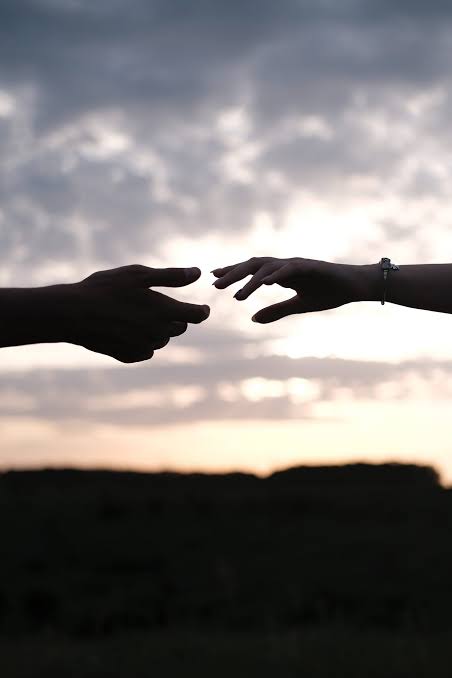
    I stood at the edge of our love with my hands outstretched, waiting for you to take them, to pull me into forever. To say, You are mine, and I am yours, and I will choose you, no matter what it takes.

    But you never did.

    Instead, we lived in the liminal space between what we were and what we were allowed to be. Sneaking kisses under the moon when no one was watching. Walking just a little too far ahead of the others on group trips, letting our fingers brush, our hearts race. Speaking in code, in glances, in the language of longing that only we understood.

    You met my family. I met yours. We fit. Perfectly. Seamlessly.

    And yet, we were never allowed to fit.

    There were always eyes. Always whispers. Always the unspoken but ever-present expectations—never be seen alone, never step outside the bounds, never tarnish the name of the mission, never bring shame. They said it was about honor, about wisdom, about protecting reputations. But it felt like chains.

    If we had been anywhere else in the world, we would have dated like normal people. We would have sat across from each other in coffee shops, taken long drives with no destination, spent lazy afternoons wrapped in each other’s arms without guilt.

    And maybe, in that world, you would have chosen me.

    But we weren’t in that world.

    We were in this one.

    And in this world, you couldn’t make the same sacrifices for me that I made for you.

    I have tried to tell myself that I understand. That it wasn’t personal. That it wasn’t because I wasn’t enough, or because you didn’t love me with the same ferocity that I loved you. But deep down, I don’t believe that.

    Because I know what I gave. I know what I lost. I know how many times I reached across the void, sent my signals into the night, hoping you would see them, hoping you would answer.

    You never did.

    And now, I watch you live the life that should have been ours. With her.

    I tell myself not to look. Not to check. Not to see.

    But how do you not look at the wreckage of your soul?

    How do you not feel the ripples of a love so deep that even now, even after everything, a part of you is still waiting for him to reach back?

    Even just for friendship.

    Even though you know, deep down, that would never be enough.

    Because it was never meant to end this way.

    You were my first love. I was yours. And you don’t ever forget your first.

    I have tried to untangle myself from the clutches of this grief. I have tried to bury it, to smother it, to tell myself that I have moved on.

    But my body remembers.It remembers the way your hands traced the curve of my back, the way your breath warmed my skin on quiet nights beneath the stars. It remembers the safety of your arms, the rhythm of your heartbeat against mine, the way you whispered my name like it was a prayer.

    And so it betrays me.

    With every full moon, I am back in your embrace, bathed in silver light, swaying to the music of the night.

    With every wave that glistens under the sun, I remember the way your eyes caught the light, the way your laughter rippled through the air, bright and golden.

    With every rainfall, I am transported to the nights we stood together, soaked and laughing, the world around us fading as we clung to each other.

    Even as I long to forget, my body refuses.

    It keeps you alive in the scent of damp earth, in the brush of wind against my cheek, in the bloom of every flower that dares to exist in a world without you.

    And so I grieve.

    Not just for what was, but for what will always be—the love that ruined me, the love that still lingers, the love that even now, I am not sure I want to let go.

  • A heart left in PNG

    There’s a beauty to life on the mission field that defies words. It is not found in the obvious, but in the quiet, sacred moments that linger like a melody. It is the kindness of strangers who appear when you least expect it, arms full of gifts from their gardens—a bunch of bananas, a fresh pineapple, a smile that reaches their eyes. It is the shared silence over a pot of kaukau, the quiet prayers spoken in unity under a blanket of stars, and the rustling of the wind through tall grass as if the earth itself is breathing alongside you.

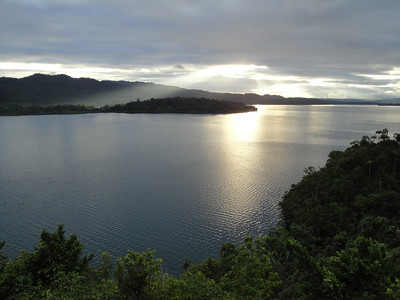
    In Papua New Guinea, joy wears a different face. It is a choir in perfect harmony on a church lawn, voices rising and falling in a hymn that carries your soul somewhere beyond yourself. It is the riot of flowers along the roadside – lupines laying out welcome mats at the foot of mountains and frangipani spilling their perfume into the humid air. It is the adventure of traveling to hidden places, untouched by the heavy hand of progress, where lakes gleam like glass and mountains stand as sentinels to a simpler, purer world.

    Life there is steeped in depth and creativity, born of necessity. There are no quick fixes, no dashes to the store when the eggs run out. Instead, there is the art of making do or doing without—kneading dough by hand, stitching torn fabric, or crafting beauty from what is at hand. The slow rhythm of this life teaches patience and gratitude in a way that no sermon ever could.

    But there is another side to this life, one that comes with its own burdens. In PNG, my white skin attracted a kind of celebrity I never asked for. It brought curious stares, unspoken assumptions, and a weight of expectation that made solitude both a blessing and a curse. There were days I felt like an alien, isolated by my otherness, even as I worked to belong. Yet, even “home”, my otherness continues to separate me.

    Repatriation is a strange and silent grief. For many returning missionaries, the pain of leaving the field is like losing a part of themselves. Often, it comes without choice—due to health concerns, immigration issues, or even a global pandemic. Other times, it is voluntary, but even then, the grief clings to you. The bustling, convenient modern world feels sterile in comparison. Shopping malls, with their bright lights and endless choices, seem filled with people wandering aimlessly, unaware that another world lives inside of you.

    In this new life, fast food replaces slow, intentional meals, and busyness fills every corner of existence. Yet my heart often longs for the simplicity of the mission field, where life was stripped bare and real, where every day carried purpose and where relationships held weight and meaning.

    Coming “home” is never just a return; it is an ache, a fracture, a longing for what was left behind. It is stepping into a world of privilege and distraction while carrying the weight of everything you have seen, heard, and felt. I look around at my life now, at the conveniences and comforts, and I feel both grateful and hollow.

    The grief of leaving PNG has made me more intentional in my relationships. I treasure the time I spend with family and friends, aware that life in this world is fleeting and fragmented. Yet, there are days I wonder if my heart will ever truly return from PNG. It feels as though I left it there, tucked beneath the hills, washed in the rushing mountain springs, or carried away in the chorus of an early morning lotu.

    Life on the mission field changes you. It strips away the trivial and teaches you what it means to live with both hands open—to give, to love, and to trust in a way that feels almost impossible now. And though I wrestle with grief, though the weight of returning feels insurmountable some days, I cling to the hope that this loss has a purpose. That even in the aching, I am being refined.

    For those of us who have left the field, it’s important to name the grief and acknowledge its depth. To be kind to ourselves in this season of in-between. To know that our hearts, though fractured, still beat with purpose. And to trust that God, who called us to these places and experiences, is still working all things for good—even when we feel like pieces of ourselves remain scattered across the world.I

    may never retrieve the part of my heart that remains in PNG. Perhaps I’m not meant to. Not yet. Perhaps it is a reminder of the sacredness of the life I lived there—a life that taught me the truest meaning of beauty, creativity, and love. And in the end, perhaps that is enough.

  • Mail Order Bride

    At first glance, it seemed like a story of purpose and calling—a young woman, eager to serve, stepping into the mission field with hopes of making a difference. But beneath the surface, there was a far more painful truth: she wasn’t chosen for her creativity, her passion, or her ability to connect with others. She was chosen because of what someone else imagined her to be, not for who she truly was. She was recruited because she was single and someone saw her as a match for another missionary already in the field.

    From the start, something didn’t sit right. There was an unspoken tension in the air that she couldn’t quite place. People told her, with confident smiles, that she was needed, that she would make a difference, but her instincts told her otherwise. Still, against her better judgment, she agreed, believing she was called for her own gifts, her own heart, her own purpose.

    When she arrived, everything felt out of place. The land itself—raw, untamed—seemed to press against her, every sound and smell, every sight, unfamiliar and abrasive. And the people? Well, some were kind, but many others turned away from her, making her feel like an outsider in the very place she was supposed to call home. The weight of judgment was unrelenting, and the sense of isolation clung to her like a shadow.

    But then, there was love. A love so deep, so intoxicating, that it pulled her in, despite her misgivings. He was steady, grounded in the land that felt foreign to her. She was restless, free-spirited, yearning for something beyond the confines of this harsh reality. Together, they created a world in the cracks of time—moments stolen under the stars, laughter shared in secret places. She felt seen, truly seen, and in those moments, she became someone more than she ever thought possible. The creativity that flowed through her was like a river, untouched and pure, brought to life by the way he loved her. It was as if the world fell away, and she was finally home, at least for a moment.

    But love, as all-consuming as it was, couldn’t undo the reality that they were two people bound to different worlds. She couldn’t stay in a place that felt suffocating, where every part of her soul screamed to escape. He couldn’t leave behind the life he had built, the land that had shaped him. No matter how deeply they loved each other, no matter how desperately they tried to make it work, the divide between them was too wide to bridge.

    And then, the truth—the truth she hadn’t known, or refused to see—came crashing down. She wasn’t there for her gifts or her talents. She wasn’t there to serve, to contribute, to make a difference. She had been brought there because someone saw her as a partner, a potential wife for someone else. Her hesitations had been brushed off, her doubts dismissed. She had been cast into a role that was never hers to play.

    The weight of that betrayal broke her, and the loss of the love they had built only made the wound deeper. She had trusted, had poured herself into something that was never meant to be hers. Her creativity, her passion, her desire to make a difference—all of it had been secondary to someone else’s plan.

    Even now, years later, she still feels the sting of that realization. She can’t escape the bitterness, the knowledge that she was never valued for who she truly was. She was never given the chance to shine on her own terms. The love they shared, as beautiful and as transformative as it was, will always be tainted by the deceit that led her to that place in the first place.

    For those who support missionaries, there is a lesson in her story. Don’t play matchmaker. Don’t reduce someone to a pawn in your idea of what their life should be. Don’t let your desire for control overshadow their individuality, their agency. The damage this kind of manipulation causes isn’t just a matter of broken relationships—it’s a matter of shattered dreams, of people left questioning their worth, wondering if they were ever truly seen.

    Her heart still carries the weight of what could have been, the love that might have been enough if only the world had been kinder. She is grateful for the love they shared, for the way it made her feel alive, but the wound of betrayal will always remain, a scar she will carry for the rest of her life. Her story is one of loss—not just of love, but of the parts of herself that were never allowed to flourish.

    For anyone sending people into the mission field, remember this: they are not mere instruments to fill roles or meet expectations. They are people with their own passions, their own purposes, and their own worth. Don’t try to control their story. Let them write it for themselves, because the cost of doing otherwise is far too high.

  • When the story must be told

    “Friendship is born at that moment when one person says to another, ‘What! You too? I thought I was the only one.’” — C.S. Lewis

    I still hesitate before pressing “publish.”

    Even after all this time, after all these words spilled across pages and screens, the act of telling my story still catches in my throat. I hesitate—not because I don’t want to tell it, but because I know what happens when I do.

    I know the quiet messages that will slip into my inbox, the ones that say, “I saw myself in your words.” I know the relief, the resonance, the unexpected companionship that comes from someone else recognising their own battle scars in my own. And I know the ones who will say nothing, but will sit with my words in their hands, weighing them carefully, deciding what to do with them.

    And I know the ones who will turn away.

    I have lost friendships to my honesty. And I have kept friendships by withholding it. By making my stories palatable, neat enough to be consumed without discomfort. I have shaped my words to be just raw enough to be heard, but not so raw that they wound.

    Because what happens when you tell the truth?

    What happens when you stop only speaking of the sunsets over the valley, the church choirs harmonising under the trees, the joy of seeing light dawn in someone’s eyes? When you stop telling only the beautiful parts of mission life and begin to talk about the fractures beneath?

    What happens when you say: It was not always good. It was not always safe. And sometimes, the wounds came from the very people who should have held me close.

    What happens when you admit that you are still carrying bruises from the hands of people who called you sister? When you say that you loved deeply, but you were not always loved well? That you wanted to believe in your calling, but the weight of it sometimes crushed you? That you believed in sacrifice, but you didn’t know it would be your own heart on the altar?

    The risk of speaking is the risk of being unheard.

    And yet, I keep speaking.

    Because I am still waiting for the one voice that matters most to say, “I see you. I hear you. I’m sorry.”

    Because I am still waiting for the redemption of these stories.

    Or perhaps, I am still raging, and I am not quite redeemed yet.

    But maybe that is part of it, too. Maybe not every story is wrapped up in a tidy bow, ready to be tied off with a quiet, holy conclusion. Maybe some stories are still burning. Maybe some stories are still being written in the ashes.

    And maybe that’s okay.

    Because in the telling, there is movement. And in the movement, there is healing. And in the healing—slow, unsteady, incomplete—there is hope.

    So I will press “publish” again.

    And I will trust that somewhere, someone will read these words and whisper, “What! You too?”And in that moment, neither of us will be alone.

  • The light that calls me back

    It is easy, sometimes, to be swallowed by the dark. To let the weight of what was painful drown out the echoes of joy. But someone reminded me recently: do not forget the light. Do not forget the reason your heart still aches for the place you left behind, why you dream in the colors of the highlands, why you still whisper the names of friends into the quiet spaces of your prayers.

    PNG changes you. It does not leave you untouched. It presses into your spirit like rain into dry earth, reshaping you, flooding the cracks, making something new. And for all the hardship, for all the things that hurt, there was so much light.

    I remember the friendships that bloomed in that rugged, untamed land. The faces that met mine with warmth, with laughter, with hands that offered fruit and flowers and welcome. I remember stepping into homes made of woven walls and thatched roofs, where I was given the best seat, the first plate, the widest smile. Where hospitality was not measured by riches, but by the open-hearted way love was given, freely and without condition.

    And I remember God—how near He felt. How the mountains seemed to hum with His presence, how the rivers carried His voice, how the sunsets painted the sky with a glory too breathtaking to be coincidence.

    The work was hard, and the challenges relentless, but in the midst of it all, I felt held. Because what we did mattered. Because lives were being changed. Because in the eyes of the people we served, I saw something holy—something raw and real and closer to the heart of God than any church building could contain.

    I miss it. I miss the sky so wide it felt like eternity stretching open. I miss the dirt roads and the scent of burning wood and the way the rain came in sheets so thick the world disappeared. I miss the way creativity poured out of me there, how my soul felt awakened in a way I have never quite been able to replicate.

    PNG is not just a place. It is a transformation. It strips you down and builds you anew. It is where I was challenged and broken, but also where I was found. And though I left, though I had to walk away, it still calls me. The friendships, the beauty, the sense of purpose—I carry them with me, woven into the fabric of who I am.

    I will not forget the hard things. But neither will I forget the light. Because the light is what calls me back.