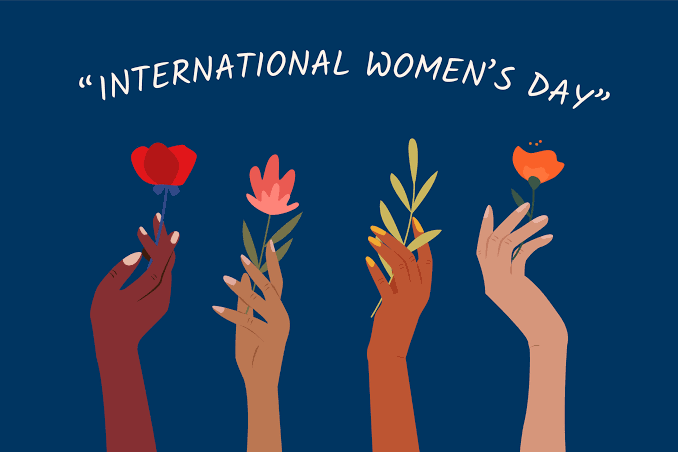
Today is International Women’s Day—a day meant to celebrate the strength, resilience, and achievements of women. But I find myself reflecting on the ways women have also been the architects of some of my deepest wounds.
In a world where women already face scrutiny, dismissal, and injustice, I never expected that my greatest injuries would come from the very people who should have stood beside me. Women who pried into my life under the guise of accountability. Women who whispered behind closed doors, who disguised their judgment as concern, who demanded answers they were never entitled to. Women who, instead of lifting me up, placed weights upon my shoulders that I was never meant to carry.
Living as a woman in a place that already struggled to see our worth was hard enough. My gender was a constant reason to be dismissed. My age, my race, my marital status, my presence—reasons to be overlooked, questioned, and mocked on a daily basis. And yet, instead of refuge, I found further injury in the company of women. The ones who should have understood. The ones who should have known better.
And now, when I speak of the pain that was inflicted, I am told that I should be more uplifting. That my words should inspire, not burden. That I should move on, heal, be grateful for the suffering that has somehow made me stronger. As though I chose this suffering. As though these wounds were self-inflicted, instead of the result of hands that tore down rather than built up.
Even my deepest heartbreak—the loss of the one who taught me what it meant to love—was in part shaped by these wounds. By the endless scrutiny, the whispered accusations, the quiet destruction wrought by those who saw themselves as righteous. And yet, when I grieve, I am told that I should be silent. That faith should mend what was broken, that trust in God should be enough to erase the scars.
But faith is not the absence of suffering, and healing is not the same as forgetting. Christ carried His cross, not because He deserved to suffer, but because He chose to bear the weight of what others placed upon Him. And while I am no savior, I, too, find myself bearing burdens I did not ask for, carrying wounds that were never mine to inflict.
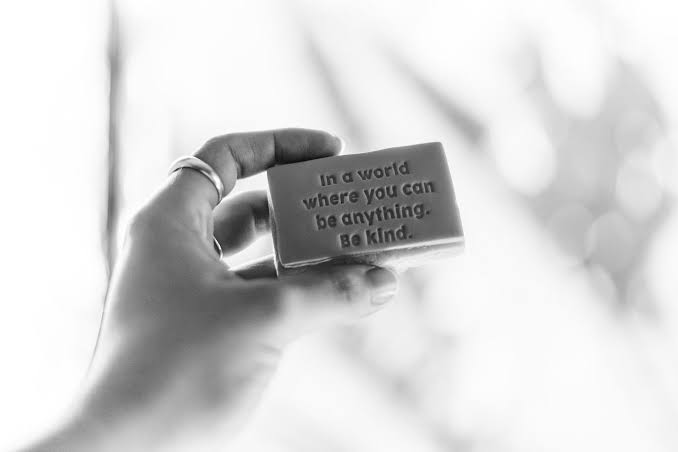
So on this International Women’s Day, I do not simply call for celebration. I call for reckoning. For a recognition of the ways we, as women, have failed one another. For a shift in how we see each other—not as competition, not as projects to fix or control, not as threats—but as fellow sojourners in a world that is already too heavy with injustice.
May we, instead of wounding, learn to heal. May we, instead of judging, learn to understand. And may we never again be the ones placing the cross on another woman’s back.
 Girl Kaleidoscope