Mission work is not for the faint of heart. It is a calling, a burden, a quiet surrender to something greater than oneself. It is the work of bridge-builders, of healers, of those who carry light into the forgotten corners of the world.
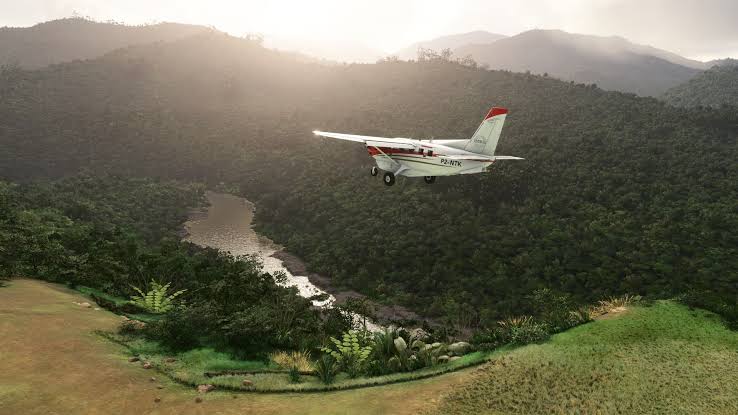
In places where language flickers like a candle in the wind, missionaries hold the flame steady. They transcribe, they preserve, they speak words aloud so they will not be lost to time. They build schools where none stood before, open clinics where sickness once reigned unchecked. They fly where roads do not go, where rivers run deep and untamed, carrying hope in the belly of their planes. They carve airstrips from the wilderness, taming mountains and marshlands so that when the moment comes—when the radio crackles with an urgent plea, when a life hangs in the balance—help can reach the unreachable.
They do not just bring supplies; they bring rescue. They lift the wounded from places the world has forgotten, from villages where accusations turn deadly, where hands meant for work are bound instead, where the innocent suffer beneath suspicion’s shadow. They go where others will not, stepping into the darkness to pull life from its grasp. And they do it not for recognition, nor for wealth, but because it must be done.
Without them, what would be left? A world where voices fade, where knowledge is buried beneath the weight of progress, where the sick suffer without a hand to hold, without medicine to ease the pain.
And yet, in a world brimming with noise about about the sins of those who came before, the work of missions is met with skepticism. The word itself is tangled in narratives of oppression, of histories rewritten to erase the good, to cast a shadow over the selflessness of those who go. But are these voices not speaking from places of comfort, from lives built on the very institutions they now scorn? They do not see the child grasping a pencil for the first time, the mother receiving life-saving medicine, the elder hearing their own tongue written on paper, preserved from vanishing forever.
I walked those roads, I stood in those villages, I listened to the murmurs of a culture that was not my own, and I felt the weight of being an outsider. I had come to serve, to help, to give, and yet I was seen as other. My skin marked me, my presence unsettled. They spoke in words I did not understand, laughter curling at the edges, glances passing between them like secrets I would never know.
I felt the sting of being foreign in a place where I had come only to love. I felt the walls rise around me, unseen but unyielding. I knew what it was to give everything and still be met with suspicion, to pour out and yet be turned away.
But does that make the work any less important?
Missionaries stand in the gap where no one else will. They step into the unknown, offering what they have, believing that even if they are not welcomed, their work will speak for itself. In nations straining beneath the weight of change, where ancient ways meet modern rule, missionaries are the steady hands, the voices of reason, the ones who hold fast when the ground shifts beneath them.
The world moves forward, indifferent to what is lost along the way. But still, the work continues. The languages are written down. The sick are cared for. The airstrips are carved into the earth. The tortured are lifted from the ashes. The children learn to read. The planes take flight, skimming over jungle canopies, carrying medicine, carrying food, carrying prayers wrapped in aluminum wings.
And maybe, one day, the world will see.



 Girl Kaleidoscope